
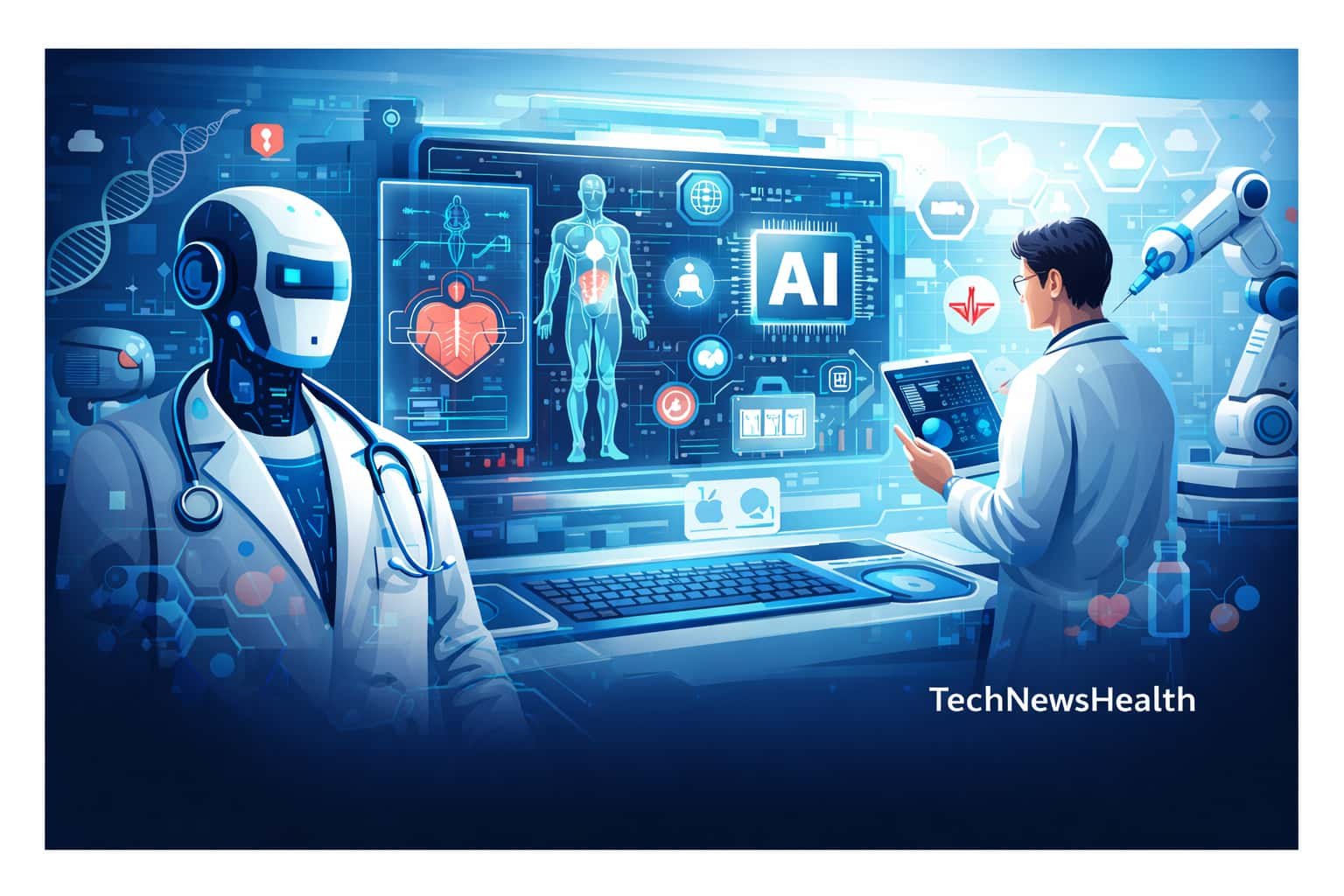
Imagine a mother whose life is saved because an artificial intelligence system detects her stroke moments earlier, enabling swift medical intervention. Or consider an elderly man receiving timely reminders from a friendly AI assistant to take his medication, which keeps him out of the hospital and allows him to enjoy his daily walks. Picture an employee utilizing AI for virtual checkups while traveling for work, ensuring health issues are addressed promptly without needing to visit a clinic. AI is rapidly reshaping how healthcare providers diagnose diseases, deliver treatments, and prevent illness. With the market projected to grow from $13.82 billion in 2022 to $164.10 billion by 2029 (a 42.4% annual increase), AI’s impact is revolutionizing healthcare globally.
AI’s importance in healthcare lies in its ability to elevate diagnostic precision, accelerate drug development, and improve patient outcomes at scale. Recognizing these shifts is critical, as AI changes the quality, accessibility, and affordability of care worldwide.
Current State of AI in Healthcare
Medical facilities across the globe are integrating AI technologies into their daily operations through several key applications. Machine learning algorithms, which are computer programs designed to learn from large volumes of data and improve over time, analyze vast datasets to identify patterns invisible to human observation. Natural language processing (NLP) systems, which allow computers to understand and interpret human language, convert clinical notes into structured, searchable information. Computer vision technologies use AI to interpret medical images, such as X-rays and MRIs, by recognizing patterns and details that may be hard for humans to spot, thereby improving accuracy.
These AI digital health solutions are already demonstrating their value in real-world settings. Emergency departments use AI-powered triage systems to prioritize patients based on symptoms and risk factors. Conversational AI bots help patients identify initial symptoms and connect them with appropriate specialists. Administrative workflows, from appointment scheduling to billing and claims processing, are becoming increasingly automated, freeing healthcare workers to focus on direct patient care. For a typical patient, this means shorter wait times, quicker access to the right healthcare providers, and streamlined administrative processes. Studies have shown that this automation can reduce patient wait times by up to 30%, significantly lowering readmission rates and leading to better overall patient outcomes. For patients, this translates into spending less time waiting or undergoing repeated procedures and more time focusing on recovery and well-being.
Importantly, this momentum accelerated after the COVID-19 pandemic created urgent demands for efficient, remote healthcare solutions. Responding to these pressures, hospitals that might have taken years to adopt new technologies rapidly implemented AI systems, establishing a foundation for continued innovation. With this shift, new opportunities for AI have emerged, particularly in diagnostics and medical imaging.
AI-Driven Diagnostics and Medical Imaging
AI’s biggest success lies in dramatically improving medical imaging diagnostics, with software now doubling the accuracy of stroke assessments compared to experts. This rapid, accurate diagnosis saves lives. AI also reliably detects bone fractures, reducing both missed injuries and unnecessary procedures.
AI’s diagnostic skills span many specialties. In epilepsy care, AI detects 64% of brain lesions that radiologists missed. For example, Jane, an epilepsy patient, struggled with undiagnosed seizures. AI finally spotted her elusive brain lesion, transforming her treatment and quality of life. Dermatology apps match or exceed dermatologists’ accuracy in spotting skin cancer. (Chanda et al., 2024) Ophthalmology systems screen for diabetic retinopathy and glaucoma, which is helpful in places lacking specialists.
Machine learning algorithms—computer programs that can learn to recognize patterns in data—excel at recognizing complex details in diagnostic data, enabling earlier disease detection and improved treatment outcomes. Deep learning networks, a type of machine learning that uses many layers to process information, can independently learn representations of medical data and progressively extract complex features from images, performing tasks that traditionally required years of specialized training.
AI in Personalized Medicine and Treatment
The shift toward precision medicine, which involves medical care tailored to individual characteristics, is another area where AI shows significant transformative potential. AI algorithms analyze factors such as lifestyle alongside biological markers, including genetics (DNA information), epigenetics (changes in gene activity not caused by changes to the DNA sequence), and microbiome data (the body’s community of microorganisms), to understand the development and progression of chronic diseases. This extensive analysis allows treatment plans to be personalized for each patient rather than based on general population averages. Imagine this as akin to crafting a personalized playlist based on an individual’s unique musical preferences, rather than a generic top 40 hits list. By tailoring medical care in this way, AI ensures that treatments are as effective and unique as the patients themselves.
One fascinating development involves combining AI with traditional medicine approaches. Researchers are exploring how AI and Ayurgenomics—which merges ancient Indian Ayurvedic medicine with modern genomics—can identify herbal formulations effective against contemporary diseases. This integration of traditional wisdom with cutting-edge technology exemplifies AI’s ability to unlock new therapeutic possibilities.
The technology also enhances clinical genomic analysis—the process of studying patients’ genes for medical insights—across multiple steps, including variant calling (identifying differences in DNA sequences between individuals and a reference), genome annotation (identifying gene locations and functions within the DNA), and phenotype-to-genotype correspondence (linking a person’s observable traits to their genetic information). Researchers have successfully used AI to predict prognoses for 27 out of 36 cancer types by analyzing RNA expression (gene activity measured by the amount of RNA produced), point mutations (small changes at specific DNA positions), DNA methylation (chemical modifications added to DNA that can affect gene activity), and copy number variation data (changes in the number of copies of a particular gene).
AI in Drug Discovery and Development
Pharmaceutical research often takes decades and costs billions to develop new drugs. AI, especially large language models, is speeding up this timeline. They also boost success rates. Morgan Stanley projects that biotech companies leveraging AI will create a $50 billion market over the next decade. (AI Drug Discovery: Leading to New Medicines, 2022) This growth is expected not only to reduce drug development costs but also to make medications more affordable and accessible to patients, potentially leading to faster delivery of groundbreaking therapies to those in need.
AI-enabled drug discovery addresses old R&D limitations by making discovery faster and cheaper. Machine learning finds disease before symptoms appear, as AstraZeneca’s recent progress shows. AI identifies key drug compounds, validates drug targets earlier, and improves molecular design.
AI analyzes huge datasets and finds hidden patterns. This helps researchers understand diseases and predict drug interactions. Companies can test thousands of compounds virtually, saving on costly lab work. As AI moves beyond research, it joins wearable devices and digital health platforms. This is changing everyday healthcare monitoring.
Wearable Devices and Digital Health Monitoring
AI-powered wearable devices and digital platforms are changing patient monitoring by enabling continuous, efficient oversight and timely interventions. This advance in real-time care demonstrates AI’s tangible impact on daily health outcomes and healthcare system efficiency.
Tools like AICure use smartphone cameras to monitor patient behavior in real-time, ensuring medication adherence and identifying potential health changes before they become critical. These digital interfaces increasingly serve as first-line triage systems, guiding patients to appropriate levels of care and reducing unnecessary emergency department visits.
The continuous data collection from wearable devices provides AI systems with unprecedented insights into individual health patterns, enabling predictive analytics that can prevent health crises before they occur. Yet, as applications expand, important challenges and ethical considerations must also be addressed. Privacy safeguards are increasingly integral, with many AI systems designed to comply with health data regulations such as HIPAA in the United States and GDPR in the European Union. These regulations ensure that data is anonymized and that users have control over their personal information. Furthermore, advanced encryption techniques are employed to protect this sensitive data from unauthorized access. Such measures aim to build trust and reassure users about the security of their health information in AI-driven solutions.
Challenges and Ethical Considerations
Despite its impressive capabilities, AI implementation in healthcare faces significant challenges.
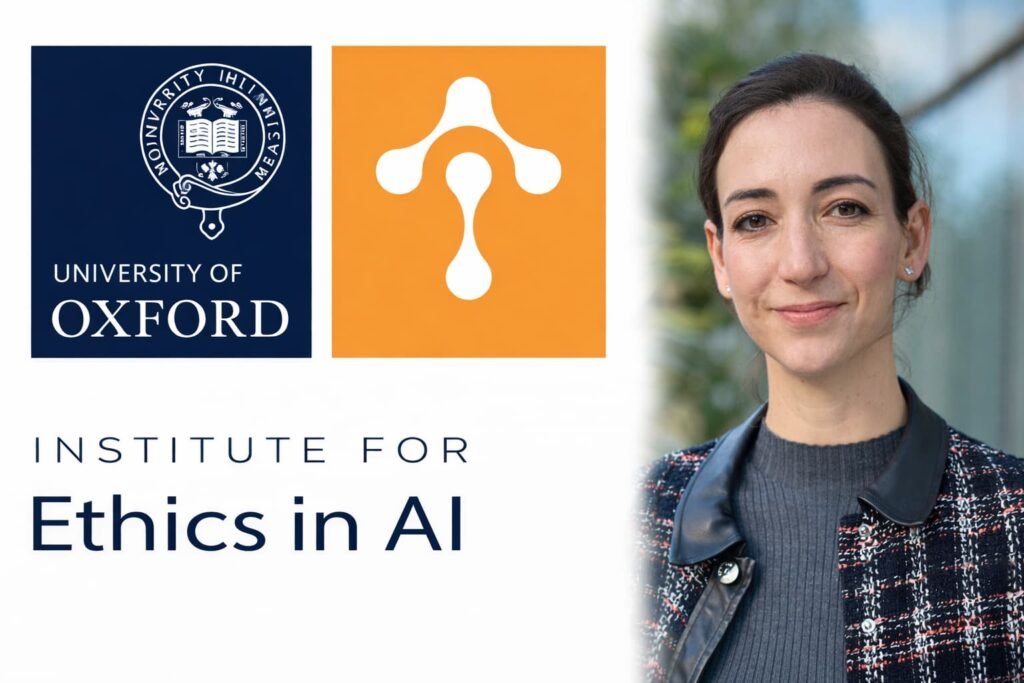
Dr. Caroline Green from the Institute for Ethics in AI at Oxford University emphasizes that healthcare professionals using AI tools must understand and mitigate technological limitations, including the possibility of incorrect information produced by AI, a phenomenon sometimes called “hallucination,” where the system generates incorrect outputs. A profound example is the misdiagnosis of medical conditions in minority populations due to insufficiently diverse training data, leading to serious health outcomes and highlighting the ethical urgency of addressing bias in AI systems. Such real-world scenarios illustrate how AI can unintentionally perpetuate healthcare disparities and underscore the necessity for more inclusive AI development practices.
Trust remains a critical barrier. Recent UK studies found that only 29% of people would trust AI to provide basic health advice. (AI in Healthcare: Why Public Trust Remains the Critical Missing Ingredient, 2026) Technical issues compound these concerns. Reports indicate that OpenAI’s Whisper system, used by many hospitals to transcribe patient meetings, occasionally produces inaccurate transcriptions due to “hallucination” errors. (Koenecke et al., 2024) Strategies to build trust include enhancing transparency in AI processes, implementing robust oversight mechanisms, and educating patients about how AI systems work, so they can make informed decisions about their care. By addressing these elements, healthcare providers can foster greater confidence in AI technologies and ensure patients feel more comfortable relying on AI for their healthcare needs.
Data privacy and algorithmic bias, which occur when AI systems unfairly favor or disadvantage certain groups, present ongoing ethical challenges. AI systems can perpetuate existing healthcare disparities if training data doesn’t adequately represent diverse populations. Additionally, AI processes often lack transparency, making accountability problematic when errors occur. This raises an important question for healthcare stakeholders: Who should be held accountable for biased AI outcomes that negatively impact patients? Engaging with this question is crucial for fostering shared responsibility and ensuring that ethical considerations remain at the forefront of AI integration into healthcare.
Current efforts to mitigate these biases are underway. Initiatives such as the Algorithmic Fairness and Accountability Act aim to oversee AI implementations, ensuring they are evaluated for fairness and transparency. Organizations and institutions are increasingly recognizing the importance of inclusive datasets to improve AI performance across diverse populations. These measures highlight a dedicated focus on fairness, aiming to build trust and equity in healthcare innovation.
Healthcare providers must also recognize AI’s limitations in holistic patient care. Current AI algorithms cannot fully account for the psychological and social aspects of human health, underscoring the continued importance of human medical judgment. These considerations will shape the evolving role of AI in healthcare’s future.
The Future of AI in Healthcare
Looking ahead, AI’s role in healthcare will likely expand across multiple dimensions. Predictive analytics will become more sophisticated, enabling earlier intervention for chronic diseases. Within the next three years, it is anticipated that half of urological surgeries will employ robotic assistance, improving precision and outcomes in procedures requiring intricate movements. Additionally, robotic assistance in surgery will continue to enhance precision and outcomes, particularly in similarly complex procedures such as gynecological surgeries.
Digital transformation will accelerate administrative efficiency, allowing healthcare professionals to spend more time on direct patient care. AI’s ability to process natural language will enhance electronic health records and clinical decision-making support systems.

As Leonard D’Avolio, founder and CEO of Cyft, notes, AI represents not just a solution but a capability that enables healthcare organizations to adapt their workflows and systems to reduce costs while improving outcomes.
(How AI Is Transforming Day-To-Day Healthcare, 2026) The technology’s potential to deliver personalized care, improve efficiency, and reduce costs positions it as a catalyst for addressing global challenges in healthcare accessibility.
Revolutionizing Healthcare for Everyone
AI in healthcare is driving accessible, affordable, high-quality, and individualized care. Through early disease detection and faster drug discovery, AI is the engine powering transformation across medicine.
The journey requires careful navigation of ethical considerations, trust-building with patients and providers, and continued focus on human-centered care. However, the evidence clearly demonstrates AI’s capacity to enhance diagnostic accuracy, personalize treatments, and improve patient outcomes across diverse medical specialties.
For healthcare professionals, understanding and integrating these technologies will become essential for delivering optimal patient care. For patients, AI promises more precise diagnoses, personalized treatments, and preventive care that keeps them healthier longer.
Ready to explore more cutting-edge developments in health technology? Visit TechNewsHealth for the latest insights on AI applications, medical innovations, and digital transformation shaping the future of healthcare.
Leave a Reply